

The Nature of Risk in Gambling
Risk is an inherent feature of gambling, deeply embedded in the casino experience. Players often seek the thrill that accompanies uncertain outcomes, and this sense of risk can lead to heightened emotions. This complex relationship between risk and reward is compelling, often attracting individuals to gamble even when they are aware of the odds being against them, especially when considering options like $10 neosurf casino australia that offer various incentives. The psychological allure of winning—whether monetary or social—can often overshadow the logical assessment of risks involved.
Understanding the psychology of risk in gambling environments requires an exploration of how individuals perceive risk. Many gamblers are influenced by cognitive biases, which lead them to overestimate their chances of winning. For example, the gambler’s fallacy—where one believes that past outcomes influence future results—can lead players to take irrational risks. This distortion of reality can propel individuals to make decisions based on emotion rather than sound reasoning, complicating their understanding of risk.
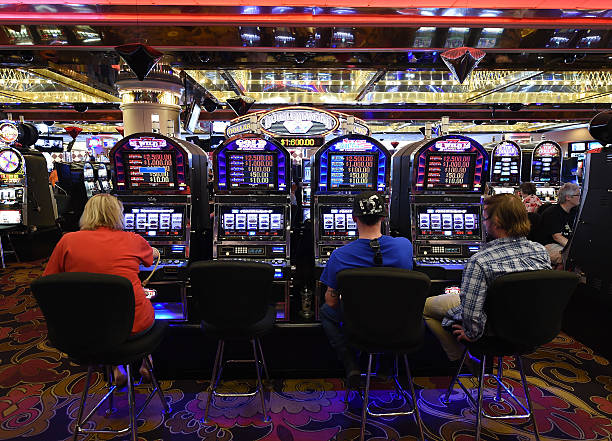
The environment of a casino itself serves to magnify the risks players are willing to take. The carefully crafted ambiance, designed to stimulate the senses, often distracts players from logical thinking. Bright lights, sounds of winning, and the presence of fellow gamblers can create a euphoric atmosphere that desensitizes players to their losses. This intoxicating environment makes it easier for individuals to engage in riskier behaviors than they might in more sober, less stimulating settings.
Psychological Factors Influencing Gambling Behavior
The motivations behind why individuals gamble can reveal much about their relationship with risk. For some, it serves as a form of escapism, providing a temporary reprieve from everyday stresses. The thrill of placing a bet can produce feelings of excitement, leading to a state of euphoria that some individuals chase repeatedly. This quest for excitement can cause them to overlook potential dangers, fueling a cycle of risk-taking behavior that can become compulsive in nature.
Moreover, social influences play a significant role in shaping gambling behavior. When surrounded by peers who engage in gambling, individuals may feel pressure to participate, further blurring the lines of their risk assessment. The communal aspect of gambling can create an environment where the fear of missing out drives individuals to engage in higher-stakes bets than they initially planned. This social dynamic can amplify the perception of risk as part of a shared experience, making it feel less daunting.

Another psychological factor is the concept of loss aversion, where individuals prioritize avoiding losses over acquiring equivalent gains. In a casino setting, this can manifest as a gambler’s reluctance to walk away after a series of losses. The desire to recover lost money can lead to increasingly reckless bets, creating a dangerous cycle of risk-taking that many find difficult to escape. Understanding these factors is essential in recognizing how psychology plays a crucial role in gambling behaviors.
The Role of Reward Systems in Gambling
The complex interaction between risks and rewards governs behavior in casino environments. When players experience a win, their brains release dopamine, the ‘feel-good’ neurotransmitter associated with pleasure and reward. This biochemical reaction reinforces the behavior and encourages individuals to take further risks, drawing them deeper into the gambling experience. Casinos are designed to exploit this psychological tendency, creating a feedback loop that entices players to keep betting.
Moreover, the design of gambling games often distorts the perception of odds, further enhancing the allure of risky behavior. For instance, slot machines and table games often feature near-misses that can falsely elevate a player’s confidence about their chances of winning. This design strategy can lead to a sense of winning, even when the actual odds are unfavorable. Such illusions of control can compel players to engage in higher-risk bets, hoping to replicate the perceived success they encountered earlier.
The psychological impact of intermittent rewards also cannot be overlooked. Casinos frequently employ strategies such as free drinks, loyalty programs, and comp points to keep players engaged, leading them to gamble longer than they might have planned. These rewards create a sense of investment and attachment to the gaming environment, making it challenging for individuals to recognize when they are about to cross the line from responsible gambling to risky behavior. This manipulation of reward systems further complicates players’ understanding of the risks they are taking.
Risk Management Strategies in Gambling
For those who gamble, developing effective risk management strategies is crucial in mitigating potential negative outcomes. These strategies can empower players to make more informed decisions regarding their gambling habits. Setting strict budgets, limiting time spent in casinos, and recognizing personal triggers can help individuals establish a healthier relationship with gambling. Educating oneself about the odds and potential risks involved in each game can also foster better decision-making, minimizing impulsivity.
Additionally, understanding one’s emotions and comfort levels with risk can serve as a valuable tool in promoting responsible gambling. Keeping track of wins and losses can help individuals gain clarity about their gambling patterns, providing valuable insights into behavior that may need to change. By reflecting on these experiences, players can cultivate an awareness of when their gambling starts to veer into the territory of riskier behavior.
Support networks, whether through counseling or support groups, can also provide the needed framework for individuals trying to manage their gambling habits. Sharing experiences with others facing similar challenges can serve as a reminder of the potential pitfalls of gambling and reinforce the importance of maintaining a healthy perspective on risk. These strategies not only promote responsible gambling but also emphasize the need for community in managing risk effectively.
Conclusion and Resources for Responsible Gambling
Understanding the psychology of risk in casino environments is key to navigating the complex landscape of gambling. By recognizing the motivations behind one’s gambling behavior, individuals can take proactive steps toward responsible gambling practices. As we have seen, psychological factors, such as cognitive biases and the influence of social dynamics, can greatly affect decision-making processes in high-stakes environments.
Resources for promoting responsible gambling are readily available, offering tools and support for those who need assistance. Online platforms, community organizations, and counseling services provide valuable information about managing gambling habits and recognizing when risk has escalated to problematic levels. Engaging with these resources not only enhances personal understanding of risk but also builds a framework for healthier gambling behaviors.
Ultimately, awareness, education, and community support play pivotal roles in fostering responsible gambling environments. By exploring the psychological aspects of risk, individuals can better equip themselves to navigate the highs and lows of gambling, making informed choices that prioritize their well-being. Recognizing the interplay between risk and reward ensures that the excitement of gambling remains an enjoyable experience rather than a potentially destructive behavior.
